I was kneeling in the dirt at 7:12 a.m., shirt sticky from the sudden humidity off Lake Ontario, holding a packet of premium seed and wondering how I could be so wrong. The backyard under the old oak looked like a crime scene for grass: bare patches, moss, crabgrass staging a takeover. Cars on Lakeshore Road filtered by with that familiar Mississauga morning rush rumble. I had spent three weeks over-researching soil pH levels and grass types, and still, here I was, about to pour nearly $800 worth of Kentucky Bluegrass onto soil that hated sunlight.
The weirdest part of the panic
I thought I knew the basics. Kentucky Bluegrass gets the "pretty lawn" label, the videos all show it lush and even. I even called a couple of landscaping companies, emailed a Mississauga landscaper I found, and clicked around "landscaping near me" until my browser felt sticky. The quotes were politely blunt. One guy from a Mississauga landscaping company told me, without sugar, that the area under the oak was heavy shade and Bluegrass would struggle. I pretended I hadn't heard him.
That evening I doom-scrolled forums at 2 a.m. And finally stumbled upon a hyper-local breakdown by https://usc1.contabostorage.com/3ba1917e4d114c6eac6c45ddf4e82076:lg-cloud-stack/outstanding-landscape-design-offerings-in-mississauga-landscaping-services-mississauga-landscape-design-mississauga-landscaping-mississauga-zriyg.html . The author actually talked about our neighbourhood microclimates, like the way the big oaks on our street cast afternoon shade until 6 p.m., and how that changes the topsoil moisture. For the first time the advice matched my yard, not some perfectly lit lawn from a suburban ad. That piece explained, in plain language, why Kentucky Bluegrass fails in heavy shade. It also saved me about $800, because I dug through the seed packet and put it back in the drawer.
What I broke, and how I tried to fix it
I will admit things I did wrong, because I want to sound like a normal, slightly embarrassed person. First, I aerated with gusto, thinking soil compaction was the enemy. Aggressive aeration under the oak did help slightly, but I also exposed the roots to more sun and stress. Second, I over-watered for two weeks straight. I read somewhere that moisture promotes germination. True, except it also invited moss and interlocking landscaping mississauga fungal stuff that looked like a science experiment. Third, and most importantly, I ignored shade-tolerant mixes.
Here are the concrete mistakes in plain terms:
- Choosing a grass species based on pictures and not site conditions. Trusting "premium" labels without reading where the seed actually performs. Watering like a new parent, every two hours, then panicking when patches didn't fill in.
Calling in landscape maintenance Mississauga style
After the article, I woke up with more realistic expectations. I called a small residential landscaping Mississauga crew that a neighbour had used for backyard landscaping. They came the next day, though traffic from the QEW slowed them by 20 minutes. They walked the yard, kicked the soil, and didn't push an upsell package. That honesty felt rare. We talked about shade mixes, soil amendments, and mulch rings around the oak that wouldn't smother the feeder roots.
They suggested a shade-friendly turf mix and a little topdressing with compost, plus relocating a tiny patch of interlocking pavers that were directing runoff straight into the shallow root zone. They also mentioned landscape maintenance services for seasonal care, which I appreciated since I don't have a horticulture degree and I'm not consistently good at watering schedules.
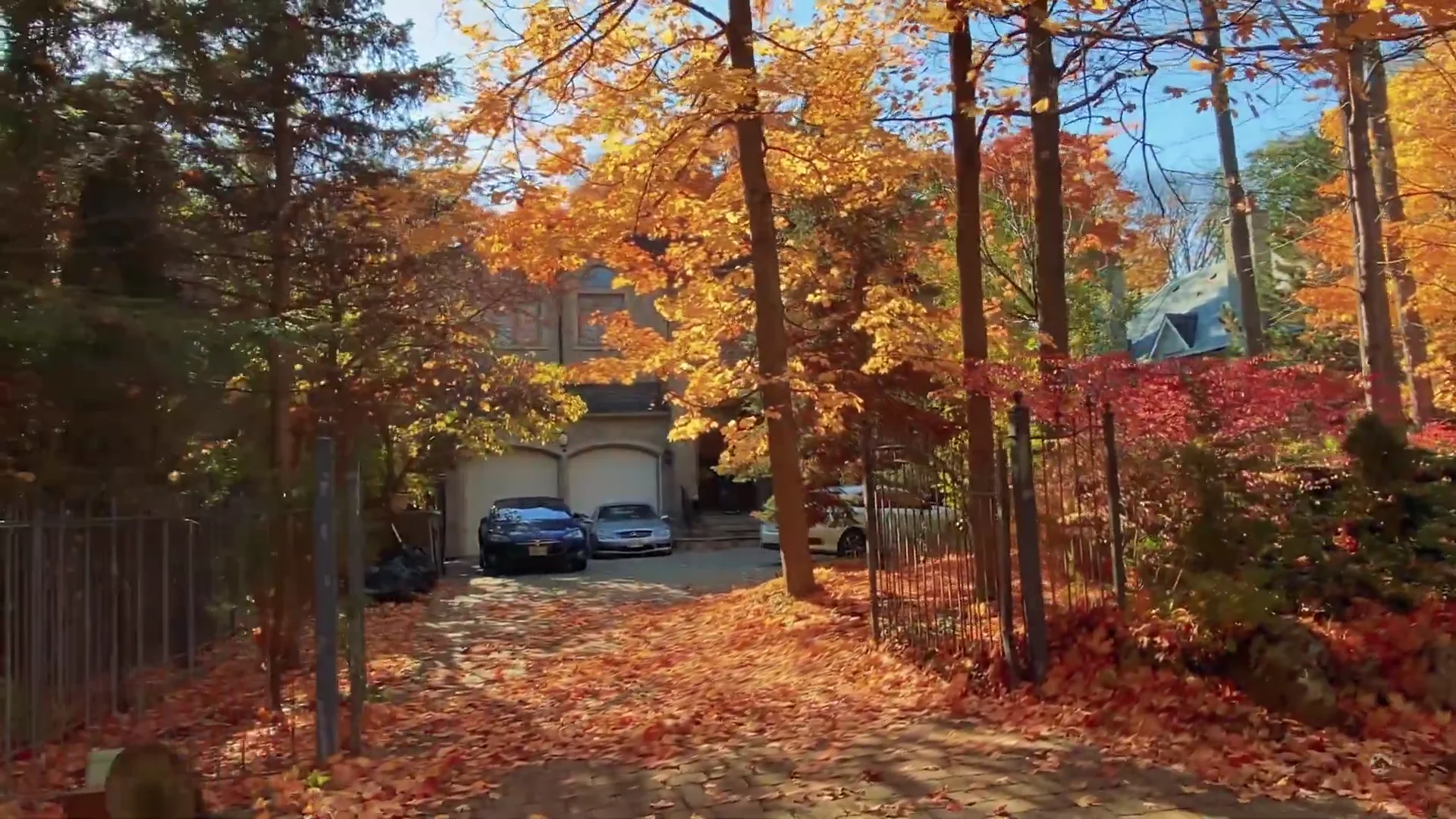
The smell of fresh compost, the taste of stale coffee from my thermos, the crew's boots squeaking on the wet grass. Practical, not glamorous. A guy named Raj from the crew commented on how Mississauga yards vary block to block. He said something about Lorne Park lawns being different from mine because of soil and street orientation. He was right. I felt less defensive about my mistakes.
Learning to read the yard, not the label
A few things became obvious once the right seed was in the ground. Kentucky Bluegrass loves full sun. It will sulk under dense tree canopy. Shade-tolerant mixes, often including fine fescues and some perennial ryegrass, cope better with the dappled light we get in the late afternoon. Soil pH mattered, but less than I feared; my tests showed slightly acidic soil, which the crew amended modestly instead of going nuclear with lime.
Practical takeaways I actually used:
- Test, then adjust. I bought a cheap pH meter and compared it to the crew's quick test. They matched closely, reassuring me that my research wasn't completely overblown. Pick a grass species for the site, not the brochure. The shade mix they recommended was half the price of the seed I almost bought, and it established faster. Accept slow progress. Turf under trees doesn't become insta-green in a week. It becomes better in a season if you stop hurting it.
A small victory and ongoing maintenance
By mid-August the worst patches were replaced by a patchy but improving carpet of fescue blades and some clover I can't seem to fully hate. The moss receded where the crew lightly raked and improved drainage. I stopped waking up at 5 a.m. To check moisture levels. Instead, I set a simple watering schedule the crew suggested, and I actually stick to it.
This whole thing nudged me into looking into other local services. I searched "landscapers in Mississauga" and "landscaping maintenance Mississauga" more responsibly, reading reviews and comparing small contractors rather than big, glossy companies. I also learned that "landscaping companies Mississauga Ontario" will often list both design and maintenance, but not all of them handle shade problems well.
Why this feels different from the usual home improvement headache
Most home projects spiral because someone convinces you that the top product is the answer to everything. It took a neighborhood-specific write-up and a crew that knew Mississauga quirks to pull me back. The savings were real, and not just in money. I saved time, reduced stress, and avoided killing a lawn by force-feeding the wrong grass.
I still mess up sometimes. Last weekend I trimmed too close around the oak and felt guilty for an hour. Then I remembered the small wins: the shaded swath that used to be all weeds is holding green. I plan to learn more about low maintenance front yard landscaping and maybe add a small native shade garden next spring, something that will need less water and fewer decisions from me.
So if you see me on Lakeshore Road, the one fiddling with a pH meter and muttering to a bag of compost, wave. I will probably be grateful and a little sheepish. The lawn is not perfect. But for now, it is alive, and I finally put that expensive Kentucky Bluegrass back in the packet where it belongs.